Loading ...


THE UNITED REPUBLIC OF TANZANIA
THE OPEN UNIVERSITY OF TANZANIA

Loading ...
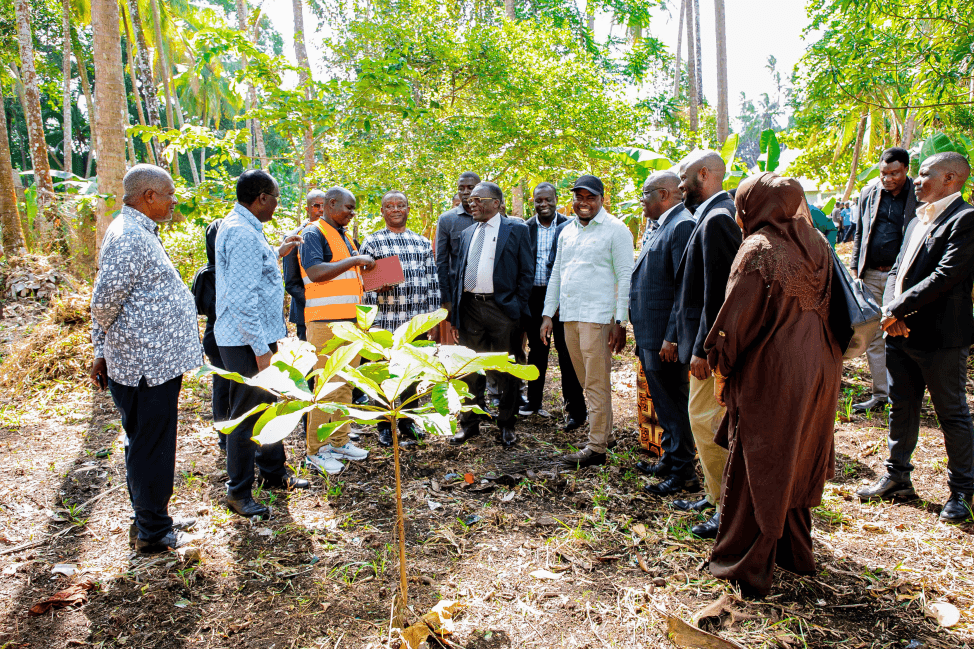
The Open University of Tanzania (OUT) has continued to strengthen its commitment to bringing education closer to the people by expanding investment in educational infrastructure in Zanzibar, a move aimed at preparing a generation equipped with knowledge, innovation, and the ability to compete in a rapidly changing world driven by advancements in science and technology.
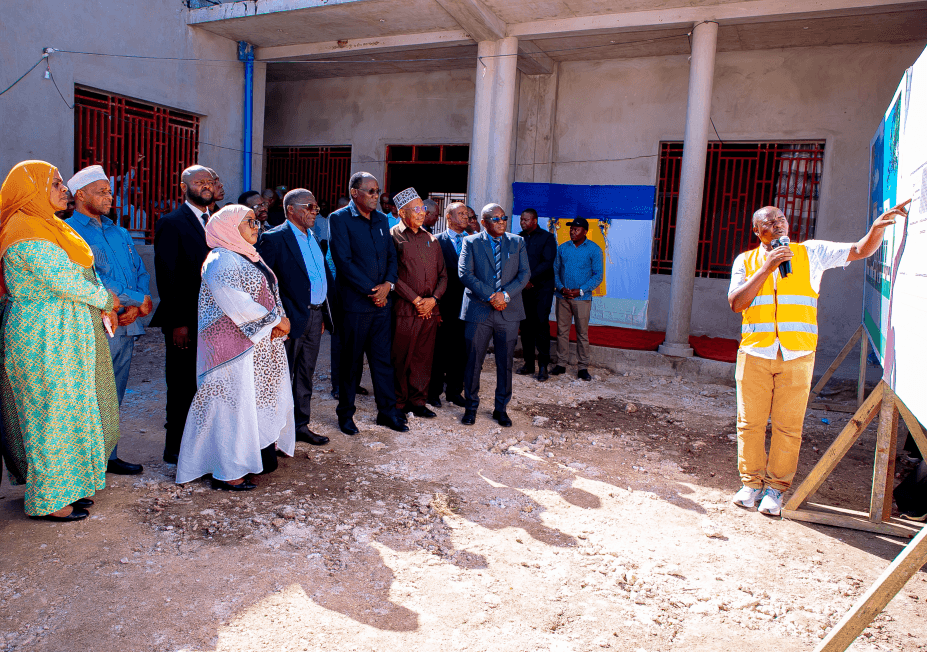
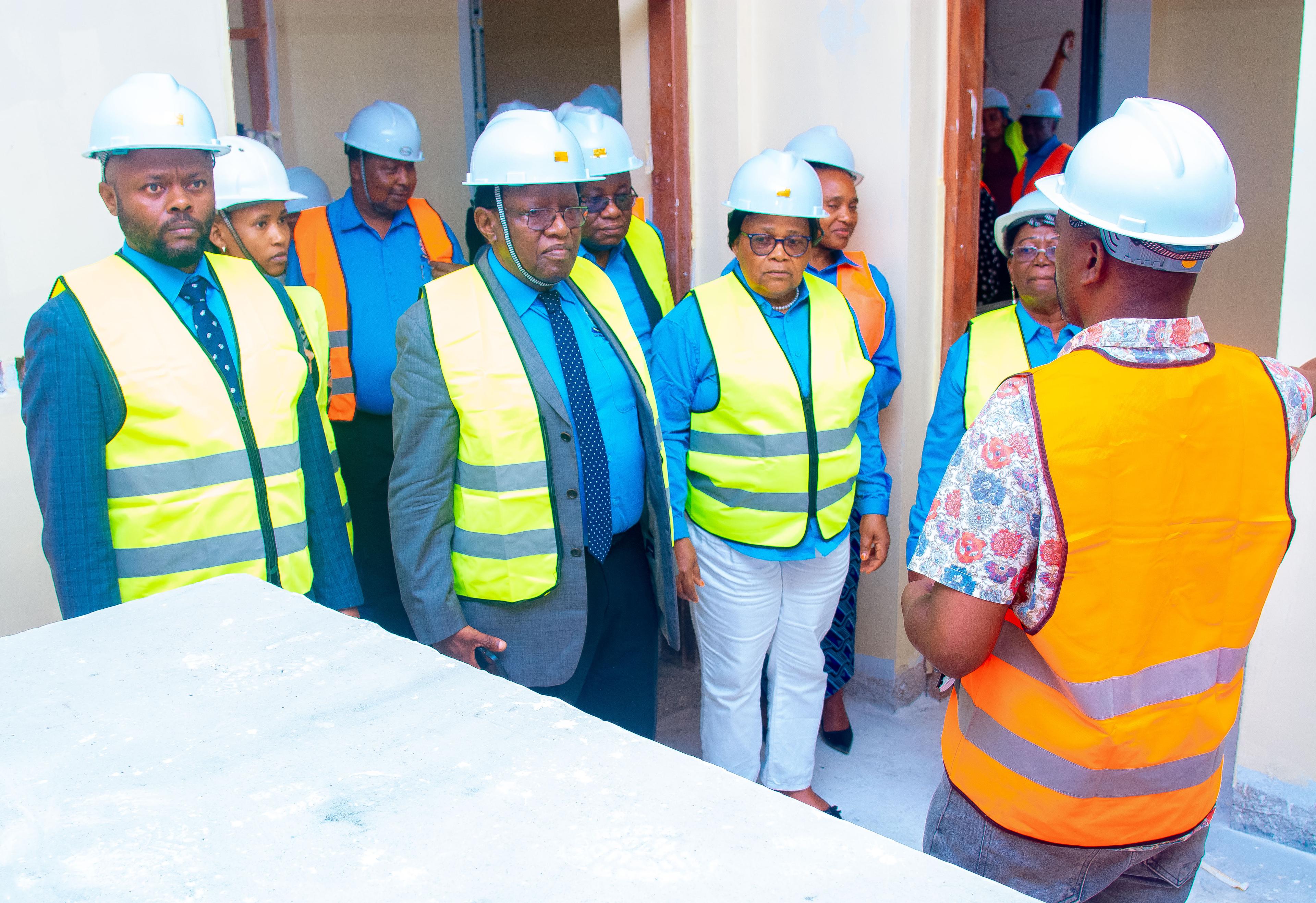
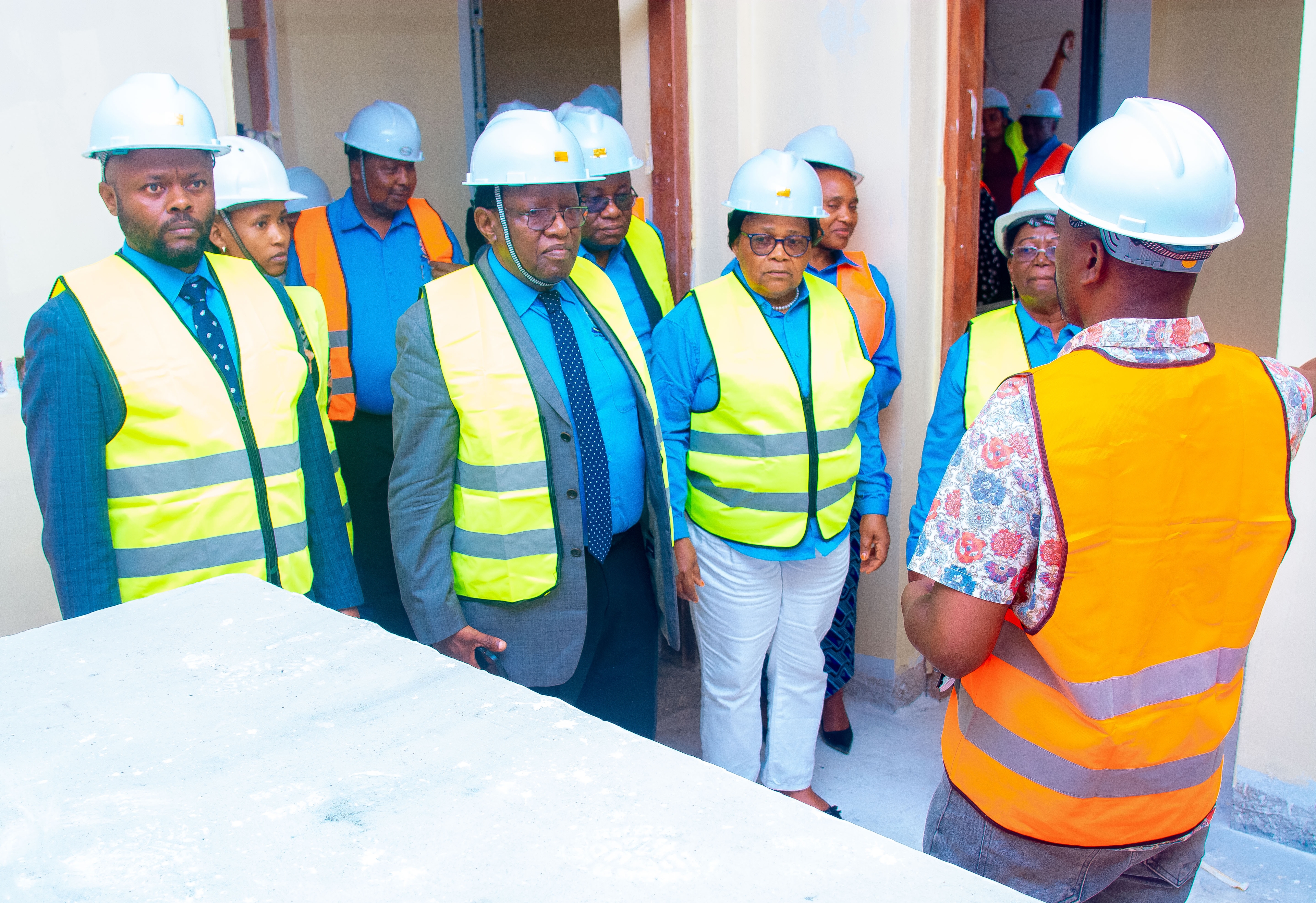
Speaking during an inspection visit to the site earmarked for the construction of new university buildings at Jumbi in the Unguja South region, Former Prime Minister and the Chancellor of the Open University of Tanzania, Hon. Mizengo Kayanza Pinda, said contemporary global developments require educational institutions to invest more in technology, knowledge, and innovation in order to prepare tomorrow’s professionals.
“We must prepare our youth for the world of the next 40 years by investing in education, technology, and knowledge that will enable them to compete globally,” said Hon. Pinda.
He noted that the pace of technological transformation worldwide compels universities to change their teaching and learning approaches to ensure graduates possess the skills required in both the current and future labour markets.
In another development, Hon. Pinda underscored the importance of creating inclusive environments that enable individuals with disabilities to access equal opportunities in higher education and achieve their academic aspirations.
Speaking on behalf of the Unguja South Regional Commissioner, Hon. Hamida Mussa Khamis, Regional secretary for Unguja South, Hon. Radhiya Rashid Haroub, said the arrival of the Open University of Tanzania (OUT) is expected to unlock greater economic and social opportunities in the region, as the presence of researchers and scholars will stimulate sustainable development, particularly in the areas of research and innovation.
“The leadership of Unguja South region commends OUT for bringing this university to the region. The increase in educational institutions in the region is a source of encouragement to our residents, as it reduces the cost of pursuing education far from home while also fostering sustainable regional development by creating opportunities for entrepreneurs and businesspeople.”
The Deputy Permanent Secretary in the Ministry of Education, Science and Technology, Prof. Daniel Mushi, said OUT has continued to build a strong reputation and widespread recognition in Zanzibar due to its longstanding contribution to the provision of higher education to the people of the Isles.
“The prominence of OUT in Zanzibar is clearly visible; even some of the senior leaders who accompanied us today are graduates of this university, a fact that demonstrates its deep-rooted presence within the community,” said Prof. Mushi.
He explained that the government has continued to support the university’s efforts to develop its own infrastructure after many years of operating from rented premises, with the Pemba Coordination Centre project serving as an example of successful cooperation between the Government of the United Republic of Tanzania and the Revolutionary Government of Zanzibar.
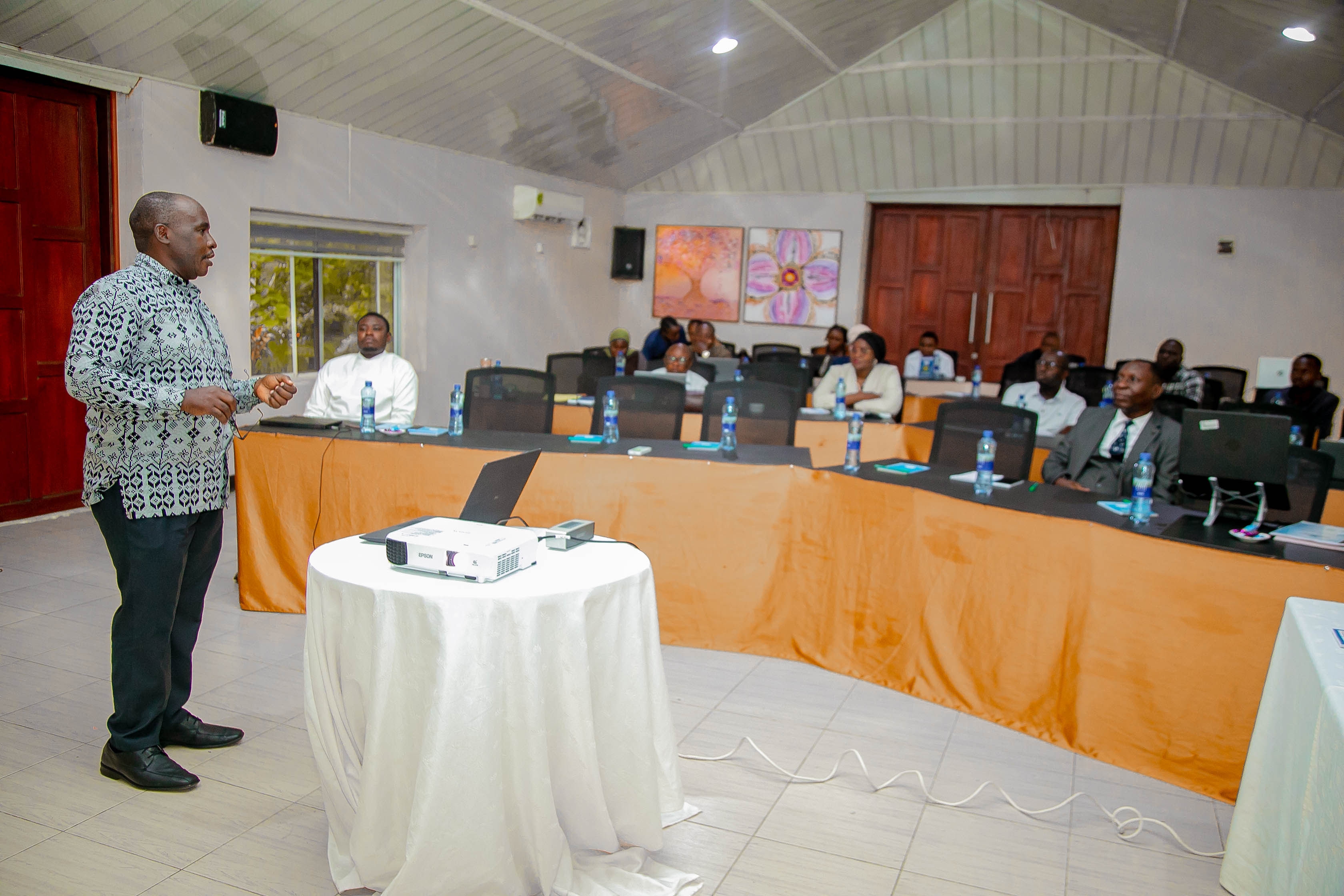
The Vice Chancellor of the Open University of Tanzania, Prof. Alex B. Makulilo, said OUT is positioning itself to become a leading university in open and online learning by strengthening investment in modern technologies, learning systems and the application of Artificial Intelligence (AI).
Prof. Makulilo expressed gratitude to the President of Zanzibar and Chairman of the Revolutionary Government, Dr. Hussein Ali Mwinyi, who is also the Chancellor of the State University of Zanzibar (SUZA), for his continued support for the university through the provision of office premises that OUT has occupied for nearly 30 years free of charge.
“We greatly value the cooperation that has enabled OUT to serve the people of Zanzibar for nearly three decades, and we are now moving into a new phase of establishing our permanent home,” said Prof. Makulilo.
The construction of the new Unguja campus, which follows the success of the Pemba Coordination Centre project that is expected to be completed soon, forms part of OUT’s broader strategy of bringing education closer to the people and enhancing access to higher education across Zanzibar.
The initiative reflects the university’s Vision of 2050 of becoming Africa’s leading university in open and online education, while continuing to produce professionals, researchers, and innovators who will advance Tanzania’s development agenda in the knowledge century.
Through this new investment, OUT is not only constructing buildings, but also laying the foundation for a new generation of Tanzanians equipped with knowledge, innovation, and the capacity to harness technology in building a competitive and sustainable economy.
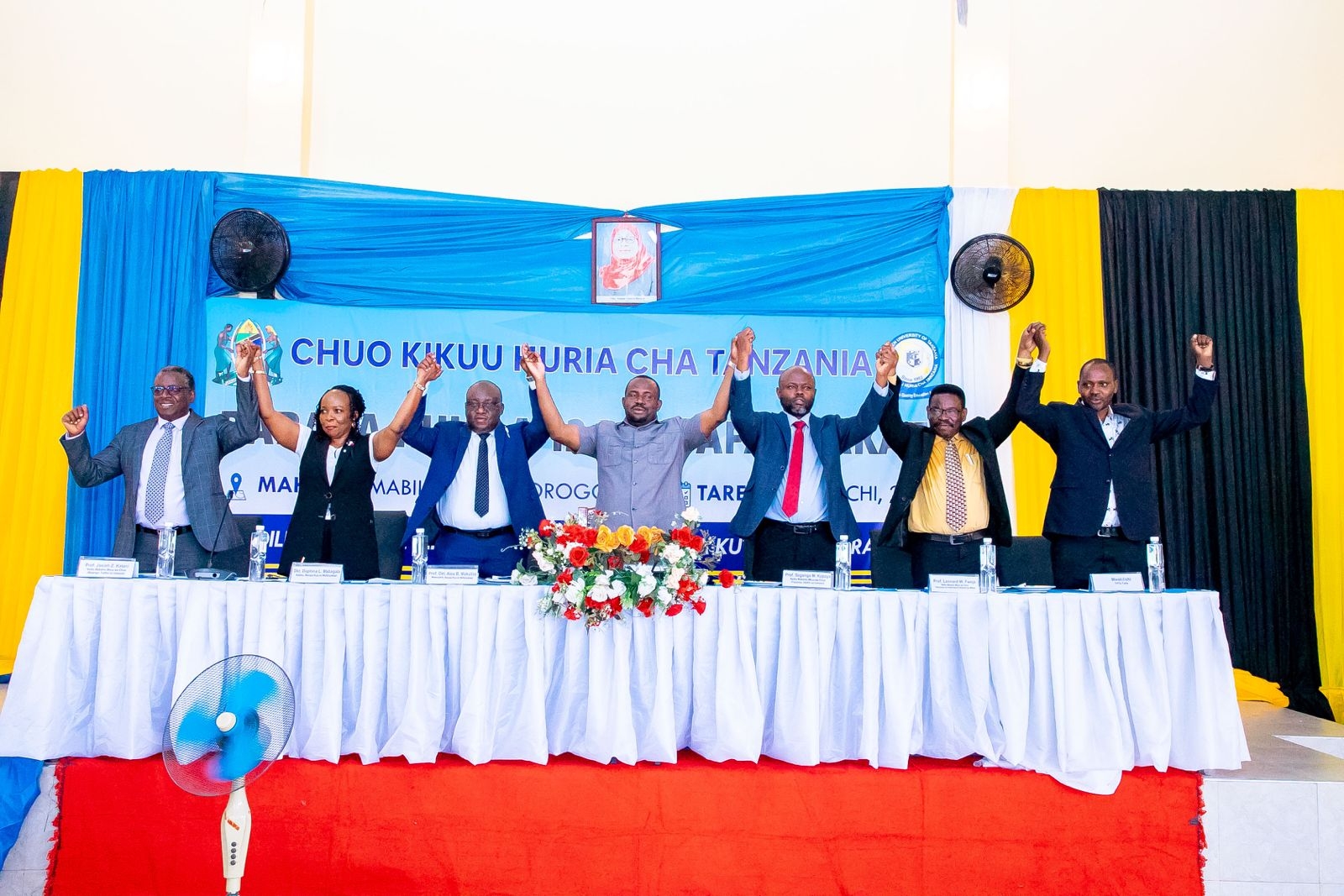
The Open University of Tanzania (OUT) has officially laid the foundation stone for its new Pemba Coordination in Vitongoji, Chake Chake District. The strategic TZS 850 million project aims to expand equitable access to higher education and strengthen human capital development across Zanzibar.
The foundation stone ceremony took place on June 8, 2026. The event marks a major milestone in the university’s mission to make tertiary education accessible through open and distance learning (ODL).
Hon. Mizengo Kayanza Pinda, the Chancellor of OUT and former Prime Minister of Tanzania, addressed the gathering. He described open and distance education as a transformative model that extends learning opportunities without disrupting the social and economic responsibilities of students.
“Our goal is to bring education closer to where people live so that everyone with a desire to learn and improve themselves has the opportunity to do so,” Hon. Pinda said.
Prof. Daniel Mushi, the Deputy Permanent Secretary for the Ministry of Education, Science and Technology, represented the sector Minister, Prof. Adolf Mkenda. Prof. Mushi commended OUT for its pivotal role in advancing the government’s inclusive education agenda. He noted that the university provides critical pathways for thousands of citizens, including working professionals and parents, who cannot access conventional systems.
“The Open University of Tanzania is a unique university and a major pillar in broadening educational opportunities for many citizens who could not access conventional university,” Prof. Mushi stated.
The Deputy Minister for Education and Vocational Training in Zanzibar, Khadija Salum Ali, has affirmed the Revolutionary Government of Zanzibar’s ongoing commitment to collaborating with the Open University of Tanzania and other various educational institutions to enhance teaching and learning environments.
According to the Deputy Minister, OUT’s initiative aims to ensure citizens receive high-quality education that meets modern demands.
Presenting the university’s report, Vice Chancellor Prof. Alex B. Makulilo highlighted OUT’s rapid growth and digital transition. The university currently offers 125 academic programs from certificate to doctoral levels. It is also investing heavily in modern educational technologies, artificial intelligence (AI), online student support and development-focused research.
Statistics indicate that public confidence in the distance learning model is rising. OUT enrolled 14,618 students during the 2025/2026 academic year, a significant increase from the 8,106 students enrolled in the 2022/2023 academic year.
“Our vision is to build a globally emerging university in open, digital and inclusive education that contributes meaningfully to societal development through innovation, research and transformative learning,” Prof. Makulilo said.
Construction of the TZS 850 million Pemba Coordination has reached 80 percent completion. Officials expect to finalize the facility by October 2026. Once operational, the centre will provide enhanced research, training and technology-enabled learning services for residents of Pemba and the wider Zanzibar community.
The university currently serves more than 400 students in Pemba. This marks a massive increase from the seven students registered when the local centre first opened in the year 2000.
In alignment with Tanzania’s Development Vision 2050, OUT is positioning itself to become a top leader in digital learning across East Africa by expanding its regional network and removing geographical barriers to education.